Harris, Reed & Seiferth Insurance Group
  • Home
  • Quotes
    • Business >
      • Business Quote
      • Commercial Auto Quote
      • Events Quote
    • Specialty >
      • Boatowners Quote
      • Umbrella Quote
      • Weddings Quote
      • Private Horse Owner Liability Quote
    • Property >
      • Home Quote
      • Condo Quote
      • Mobile Home Quote
      • Renters Quote
      • Personal Vacant Property Quote
      • Flood Quote
      • Landlords Quote
      • Personal Inland Marine Quote
      • Personal Vacant Land Quote
      • Builder's Risk Quote
    • Vehicles >
      • Personal Auto Quote
      • Motorcycle Quote
      • Scooter Quote
      • Snowmobile Quote
      • ATV Quote
      • Motor Home/RV Quote
      • Golf Cart Quote
      • Roadside Assistance Quote
    • Life >
      • Life Insurance Quote
    • Medical >
      • Travel Quote
      • Health Quote
      • Dental Quote
      • Vision Quote
      • Critical Illness Quote
      • Disability Quote
      • Medicare Supplement Plan Quote
      • Long Term Care Quote
  • Products
    • Business >
      • Learn about Business Insurance
      • Learn About Events Insurance
      • Learn about Commercial Marine Insurance
      • Learn About Commercial Auto
      • Learn about Workers Compensation Insurance (including USLH)
      • Learn About International Business Insurance
    • Specialty >
      • Learn about Boatowners Insurance
      • Learn about Umbrella Insurance
      • Learn About Wedding Insurance
      • Learn about Private Horse Owner Liability Insurance
      • Learn about Aviation Insurance
    • Property >
      • Learn about Home Insurance
      • Learn about Builder's Risk Insurance
      • Learn about Condo Insurance
      • Learn about Renters Insurance
      • Learn about Mobile Home Insurance
      • Learn about Personal Inland Marine Insurance
      • Learn about Flood Insurance
      • Learn about Vacant Land (Personal)
      • Learn about Vacant Property
      • Learn about Landlords Insurance
    • Vehicles >
      • Learn about Auto Insurance
      • Learn about Classic Car Insurance
      • Learn about Motorcycle Insurance
      • Learn about ORV Insurance >
        • Learn about ATV Insurance
        • Learn about Snowmobile Insurance
        • Learn about Golf Cart Insurance
      • Learn about RV Insurance
      • Learn about Scooter Insurance
      • Learn About Roadside Assistance Insurance
    • Life >
      • Learn about Life Insurance
      • Learn about Guaranteed Issue
    • Medical >
      • Learn about Travel Insurance
      • Learn about Health Insurance
      • Learn about Dental Insurance
      • Learn about Vision Insurance
      • Learn about Critical Illness Insurance
      • Learn about Disability Insurance
      • Learn about Long Term Care Insurance
      • Learn about Medicare Supplement Plans Insurance
  • Service
    • Manage Policy
    • Proof of Insurance
  • Resources
    • Blog
    • Home Inventory Checklist
    • Disaster Preparedness Plan
    • Family Emergency Plan
    • Refer a Friend
  • About
    • Insurance Carriers
    • Accessibility Statement
    • Contact
  • Home
  • Quotes
    • Business >
      • Business Quote
      • Commercial Auto Quote
      • Events Quote
    • Specialty >
      • Boatowners Quote
      • Umbrella Quote
      • Weddings Quote
      • Private Horse Owner Liability Quote
    • Property >
      • Home Quote
      • Condo Quote
      • Mobile Home Quote
      • Renters Quote
      • Personal Vacant Property Quote
      • Flood Quote
      • Landlords Quote
      • Personal Inland Marine Quote
      • Personal Vacant Land Quote
      • Builder's Risk Quote
    • Vehicles >
      • Personal Auto Quote
      • Motorcycle Quote
      • Scooter Quote
      • Snowmobile Quote
      • ATV Quote
      • Motor Home/RV Quote
      • Golf Cart Quote
      • Roadside Assistance Quote
    • Life >
      • Life Insurance Quote
    • Medical >
      • Travel Quote
      • Health Quote
      • Dental Quote
      • Vision Quote
      • Critical Illness Quote
      • Disability Quote
      • Medicare Supplement Plan Quote
      • Long Term Care Quote
  • Products
    • Business >
      • Learn about Business Insurance
      • Learn About Events Insurance
      • Learn about Commercial Marine Insurance
      • Learn About Commercial Auto
      • Learn about Workers Compensation Insurance (including USLH)
      • Learn About International Business Insurance
    • Specialty >
      • Learn about Boatowners Insurance
      • Learn about Umbrella Insurance
      • Learn About Wedding Insurance
      • Learn about Private Horse Owner Liability Insurance
      • Learn about Aviation Insurance
    • Property >
      • Learn about Home Insurance
      • Learn about Builder's Risk Insurance
      • Learn about Condo Insurance
      • Learn about Renters Insurance
      • Learn about Mobile Home Insurance
      • Learn about Personal Inland Marine Insurance
      • Learn about Flood Insurance
      • Learn about Vacant Land (Personal)
      • Learn about Vacant Property
      • Learn about Landlords Insurance
    • Vehicles >
      • Learn about Auto Insurance
      • Learn about Classic Car Insurance
      • Learn about Motorcycle Insurance
      • Learn about ORV Insurance >
        • Learn about ATV Insurance
        • Learn about Snowmobile Insurance
        • Learn about Golf Cart Insurance
      • Learn about RV Insurance
      • Learn about Scooter Insurance
      • Learn About Roadside Assistance Insurance
    • Life >
      • Learn about Life Insurance
      • Learn about Guaranteed Issue
    • Medical >
      • Learn about Travel Insurance
      • Learn about Health Insurance
      • Learn about Dental Insurance
      • Learn about Vision Insurance
      • Learn about Critical Illness Insurance
      • Learn about Disability Insurance
      • Learn about Long Term Care Insurance
      • Learn about Medicare Supplement Plans Insurance
  • Service
    • Manage Policy
    • Proof of Insurance
  • Resources
    • Blog
    • Home Inventory Checklist
    • Disaster Preparedness Plan
    • Family Emergency Plan
    • Refer a Friend
  • About
    • Insurance Carriers
    • Accessibility Statement
    • Contact

Harris, Reed & Seiferth
​Insurance Group Blog

Does Homeowner’s Insurance Cover Airbnb?

4/8/2019

0 Comments

 
Start a Home-Share insurance quote
Picture
Renting out your home or a room in your home on Airbnb can be a good way to generate income, but you need to understand what is and isn’t covered by your homeowner’s insurance.

Homeowners Insurance and Home Sharing
Homeowners insurance combines various personal insurance protections, which can include losses occurring to one's home, its contents, loss of use (additional living expenses), or loss of other personal possessions of the homeowner, as well as liability insurance for accidents that may happen at the home or at the hands of the homeowner within the policy territory.

With home sharing, the rules are much less black and white. While some insurance companies will allow you to extend your homeowners coverage to a STR (short-term rental) if it’s a one-time event and you notify the insurer ahead of time, others contrarily may require you to purchase a specific endorsement, which is added on to your existing policy to cover the temporary rental. 

When Home Sharing Is a Business
Regularly renting out your home or parts of it for income will generally be viewed as business activity by an insurance company. Instead, you’d need to purchase business insurance. If you’re planning to rent the entire home for an extended period of time, you'll need landlord insurance, as well. Landlord insurance covers the home itself as well as any structures that are on the property, such as a garage or shed. These policies typically cover you for losses such as fire or wind damage, but they won't reimburse you for damage caused by normal wear and tear or for the loss of your tenant’s personal property (tenant should acquire renters insurance).

Home Sharing as a Renter
You’ll also need to cover your insurance bases if you’re a renter and subletting to someone else. First things first: You have to be sure that your landlord allows you to sublet. From there, you need to check with your renter’s insurance company to see if your coverage would apply to someone who’s subletting. If you’re not planning to live in the rental while you’re subletting, the sublessee would need his or her own renter’s insurance. Keep in mind that if the sublessee damages any of your personal belongings while you’re away, your renter’s policy may not cover it. 

Which Companies Offer Home-Sharing Coverage?
In response to the growth of the home-sharing industry, a handful of insurance companies are moving toward expanding coverage for homeowners who rent out their homes through Airbnb and similar sites. Luckily we're representing a few and writing policies! Next step? Run a quote for home share coverage!  Talking to your insurance company or agent about what is and isn’t included in your policy can help you determine what’s needed to fill the gaps.


Start a Home-Share insurance quote
0 Comments

Tips for Buying a Used Motorcycle

3/28/2019

0 Comments

 
Picture
Start a Motorcycle Insurance Quote
Whether you've been riding all your life or are looking to purchase your first bike, buying a new-to-you motorcycle can be pretty challenging. What make do I want? What's my budget? Where should I look? Even if you think you know what you're looking for, finding a used bike that meets your criteria is no easy task, especially when there are so many different motorcycles out there!

If you're looking to buy a used motorcycle, read on to help prepare for a better buy – your wallet and watch will thank you later!

Decide what you're using your bike for
What type of riding are you looking to do? Commuting, sports, touring or a combination? A 1000 CC sport bike may get you excited, but there is a good chance you’ll never need that kind of power while commuting to and from work. These are the main types of bikes you can choose from:
  • Standard: Meant for doing a little bit of everything.
  • Cruiser: Built for relaxed rides with easier clutch/throttle coordination.
  • Dual-Sport: Optimized for riding on and off-road.
  • Sport Bike: Made for speed and handling.
  • Touring: Built for exploration and long rides on the highway.


Inspect the bike
Don't blindly trust the seller's word as truth. If you've owned a motorcycle before, do an inspection on the bike. But if you’ve never done work on a motorcycle before, we suggest inviting someone you trust to check it out before you sign anything. These are the specific areas you should review:
  • Drive chain and sprocket. The chain should have around 3/4" of play and the teeth of the sprocket should not show obvious damage or wear.
  • Tires. They should have good tread across the surface with no signs of uneven wear or damage.
  • Brake and clutch levers. Familiarize yourself with how the controls feel.
  • Fuel tank. Check for obvious signs of rush or corrosion using a flashlight. DO NOT USE A MATCH OR LIGHTER.
  • Brake fluid level. This is usually on top of handlebars, in an enclosure with a clear window. Watch the fluid level rise and fall while releasing the front brakes.


Request a service history
The seller may not have that information, but request the history in case they do! This will help you understand what kind of service has been recently done on the bike. The tires may be new but the oil could be a few years old. Also ask for an owner's manual and factory toolkit if available.

Prepare your documents for purchase
Remember that you can't legally ride a motorcycle unless you have a bike license! Take a safety course if you've never owned a motorcycle and purchase a DOT-approved helmet before your first ride. Don't know what kind of helmet to get? Read Protecting Your Noggin to help find a helmet that meets your needs.

Take a test drive
Pick a nice day with dry roads to test drive the bike. And don't forget your bike license and helmet! If at a dealership, be prepared to sign an insurance waiver; if private, be ready to leave your license with the seller as security. Start slowly on the bike to get used to how it feels and responds. Remember to test the brakes–they shouldn't 'pulse,' but rather engage smoothly and evenly. It's also a good idea to accelerate through the gears. The transmission should feel firm and not slip out of gear under acceleration or feel chunky.

Be realistic about negotiations
Use retail pricing guides to help determine your purchase price and understand that the seller probably has a specific price they're looking to reach. If you're buying from a private seller, respect their ride and understand that they've probably taken pride in it over the years. But don't be afraid to say "no" if negotiations aren't going the way you want – you still have the final say.

Insure the bike through Us
This one is obvious, but if you do buy a bike, don't ride naked! Be sure to protect your tail…pipe with reputable insurance from our best carrier for this market: Foremost. They've been offering specialized insurance policies since 1952 and understand your lifestyle! They also have an award-winning team of claims professionals who are available 24/7 to help restore your life to order after a claim. Visit our Motorcycle Insurance - Definitions and FAQ's page to learn more or start a quote!


Source: https://blog.foremost.com/tips-for-buying-a-used-motorcycle.asp

Start a Motorcycle Insurance Quote
0 Comments

What to Consider When Purchasing a Boat

3/26/2019

0 Comments

 
Request A Boat Insurance Quote
Picture

The wind in your hair, the sun on your face, and the open water in front of you. Sound appealing? Then you might want to join the ranks of boat owners all over the country. But before you cut through that clear blue, there are some things to keep in mind. Whether you're buying a fishing boat, cabin cruiser, pontoon or speed boat, different components like cost, horsepower, weight capacity or onboard storage may prove to be more important to you than others.


Answer these questions before going boat shopping:
  • Use What are you hoping to use your boat for? All boat styles have a different design tailored to the use. Speed boats may be better for tubing and water skiing, but wouldn't hold as many people or be as fish-accessible as a pontoon or fishing boat. Maybe you're in the market for a sailboat, or leaning towards a houseboat. There are so many different varieties of boats, so make an informed decision on which one is right for you (information provided by Discover Boating).
  • Cost What's your budget? This may help decide whether to purchase a pre-owned boat. According to Discover Boating, new boats depreciate anywhere between 25%-33% immediately after leaving the dealer's lot. So if you buy a pre-owned boat, someone else has already paid that depreciation cost - more boat for fewer dollars! However, buying a new boat will offer a warranty, the newest technology, and that nice shiny look as you move across the water - the choice is up to you! Don't forget boat insurance!
  • Capacity How many people are you hoping to go on your boating excursions with? The capacity on personal fishing boats is generally smaller than a pontoon boat, which are made to hold anywhere between 8-15 adults comfortably.
  • Equipment What type of equipment will you want onboard? Here's some suggestions:
    • Trolling Motor
    • Lights
    • Depth finder
    • Live well
    • GPS
    • Canopy/bimini
    • Stereo
    • Tables
    • Emergency survival kit
    • Fire extinguisher


  • Towing Will your car be able to tow the new boat? According to Auto Bytel, the average 21-foot boat trailer weighs between 500 and 1,000 pounds, while most boats in this size range hover in the 4,000-5,000 pound range. This means that you'll want an SUV or truck that is rated to tow between 4,500-6,000 pounds in total.
  • Storage Limitations Will your new boat fit in your garage during the off season? Alongside your garage? In a separate storage space?

And a few other components to consider...
  • Horsepower
  • Engine Type
  • Hull (Deep V, Modified V, Pontoon, etc.)
  • Storage Onboard
No matter what you decide, get out there, matey, and enjoy the open seas!


Source: https://blog.foremost.com/what-to-consider-when-purchasing-a-boat.asp
Request A Boat Insurance Quote
0 Comments

Safety Tips for New Drivers

2/22/2019

0 Comments

 
Picture
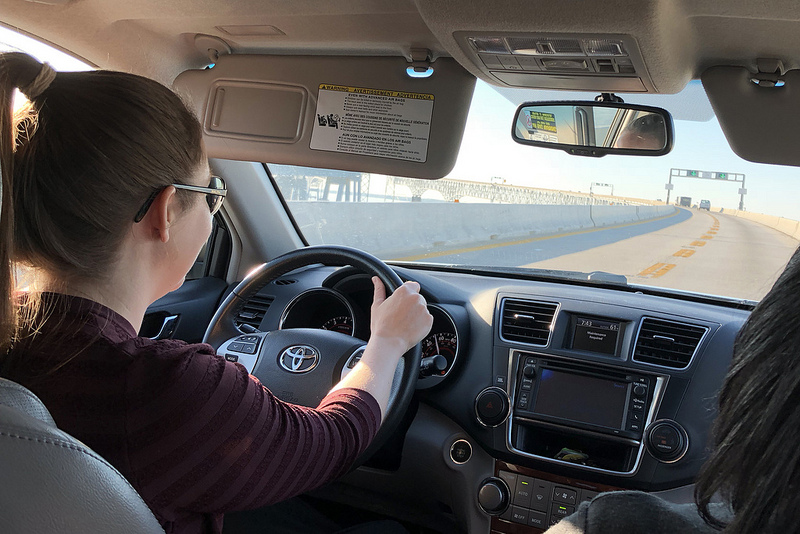
I remember the first day I passed my driver's test. I felt like I was on cloud nine…invincible. I instantly thought about all of the places I was going to go by myself. No more asking my parents or friends for a ride - my ticket to being independent had finally come, and I was ready to take on the road like a pro! Handing the paperwork to the clerk at the Secretary of State was empowering. "This is it," I thought to myself. "You are about to get your official driver's license!" I made sure I looked my best for my photo (I even made them take the picture twice) and they said I would receive a hard copy of my license in the mail in 2 to 3 weeks.

Walking out that door with the authorization to drive on my own, I couldn't stop smiling, I felt like a true adult. However, I was far from it. The truth is, I was only 16-years-old and had no idea the weight of responsibility that was on my shoulders now. I'll admit for the first few months I was driving alone, I was a little scared. I would have to constantly keep rubbing my palms on my clothes because they would get sweaty and slippery on the wheel. If I got beeped at, I took it very personally and thought about what I could have done better. I made sure to make as little mistakes as possible – I didn't want any of the other experienced drivers thinking I was a beginner at this! Eventually, it got better with practice and I became more comfortable with going on highway ramps, switching lanes and driving in urban areas.

If you have a teen that just passed their driver's test or are currently in driver's education, remember that this moment is an important, life-changing accomplishment for them. Even though you won't be physically by their side when they're behind the wheel, you can still offer them your support and driving wisdom beforehand. I know, it's easier said than done. Looking back, I didn't exactly listen to everything my parents told me when I was 16, but I must have retained something since I'm a pretty safe driver now!

Sadly, according to the CDC, vehicle crashes are the leading cause of death for teens in the U.S. It's scary and the last thing you want to imagine, so it's important to make sure they're truly prepared for driving.
Thankfully, you can guide your teen to ensure their driving experience is as safe as possible with these helpful tips:

  • Follow the speed limit. I know, it's an obvious one. But when you go too fast, you have less time to stop or react. Speeding is one of the leading causes of teenage accidents. Another obvious and important reminder – always wear your seatbelt! According to the CDC, wearing a seat belt can lower the risk of death in car accidents by nearly 50%.
  • Make sure your seat is adjusted properly to your height. This is very important because if you can't see through your rear view mirror, it can affect your driving. A good way to tell if the mirror is in the right spot is if you can see the headlights of the car behind you. Also, make sure to adjust your door mirrors on the drivers and passenger side.
  • Keep that windshield clean. Keeping your car clean isn't just about style. In the morning and evening, light reflecting off a dirty windshield can temporarily blind you while you're driving.
  • Always check your blind spot. This is something I can't stress enough! Thoughtlessly changing lanes can lead to a dangerous situation, especially with smaller vehicles like motorcycles.
  • Use your turn signals. Whether you're turning or changing lanes, you need to give the car behind you enough time to react.
  • Be cautious for aggressive drivers. If you do encounter an angry driver, back off and give them space on the road. The best thing is to stay calm to avoid getting into an accident with this person, or another driver on the road.
  • Don't use cruise control in the rain or snow. Using this feature during heavy rain, snow or ice can cause you to lose control of your vehicle.
  • Keep your hands on the wheel, and off your cell phone! Texting and driving has become the number one distraction for teens and adults. A text isn't worth anyone's life, and each time you take your eyes off the road, you put yourself and others at risk. Another reason to keep your eyes on your phone – you will get a ticket! According to the Governors Highway Safety Association, 47 states have banned text messaging for drivers. If you get caught, you may get slapped with a big fine, and get points on your driving record. A good way to avoid this is to keep your phone in a place that you can't reach while you're driving.

​For the first few weeks, it might be a good idea to have your teen start off with small trips that are less than five miles away. It will help build confidence, and allow them to get more comfortable with driving alone. If you're still nervous, there are other options you can look into, such as a GPS tracking device or smart phone apps that will monitor location and driving speeds. Plus, larger automakers have actually installed systems in their new models that allow parents to set limits on speed and drive time, so keep an eye out for those.

Good luck and safe driving!

​
Source: https://blog.foremost.com/helpful-tips-for-new-drivers.asp
0 Comments

Things to Consider Before Renting an Apartment

2/21/2019

0 Comments

 
Picture
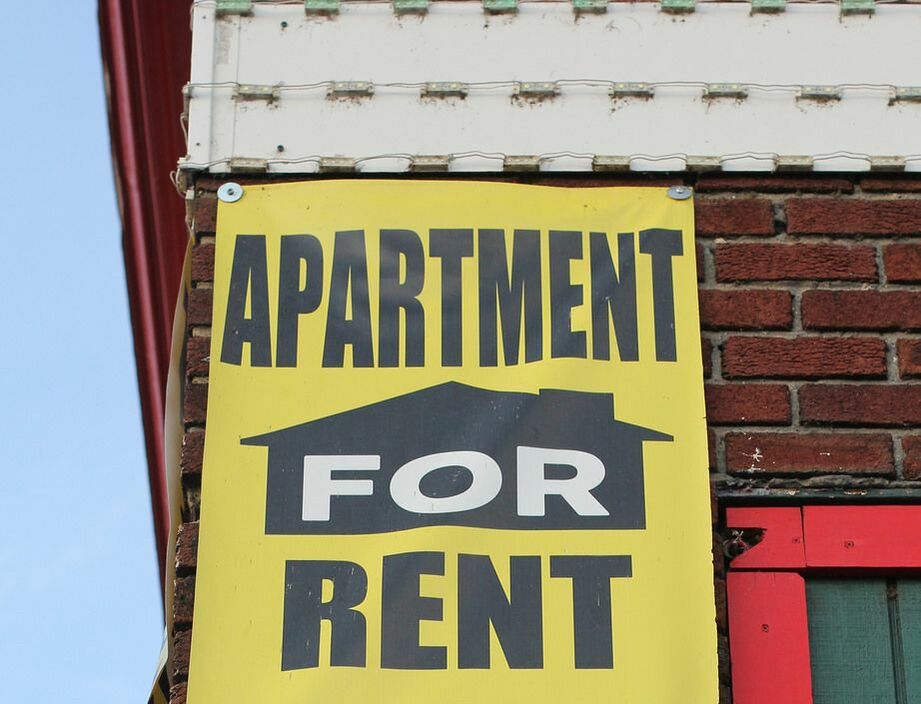
It's no secret that apartment hunting can be stressful. It can be hard to find the perfect one that meets your checklist, and that's within your budget. If you are looking to rent, here’s a couple things to focus on:
  1. Find out how to pay rent, and how late fees are calculated. Most properties nowadays have an electronic payment option, and will charge a small fee for doing so. In that case, it may make sense to write a handwritten check your landlord.
  2. Will the maintenance workers enter your apartment without notice? Because you don't own the apartment, some landlords have very loose rules on whether their employees have to tell you when they're stopping by. Make sure your landlord will give you a heads up before someone enters your apartment.
  3. What is their guest policy? Having a friend from out-of-town stay over for a few nights is fine, but some landlords have policies against anyone staying longer than two weeks.
  4. Find out if you can sublet the apartment, or what the penalty is for breaking your lease. Life's full of surprises, and you may run into a situation where you need to move ASAP. Some apartments are strictly against subletting, and it could be a serious breach of your contract. If you leave on bad terms, this could mean you just lost a future rental reference.
  5. Can you make changes to the apartment? Adding some fresh paint and putting your own personal touch on the apartment could end up costing you at some complexes.
  6. What utilities are included in the rent? This could make or break your decision on your 'dream' apartment. Renters are usually left to pay electric, gas, internet and cable – but it's different at every complex.
  7. Does the landlord require you to obtain renters insurance? Your landlord should tell you before you sign the lease whether they require you to have this. Renters insurance is important to have even if the landlord doesn't require it.
  8. What is the parking situation? This is another big one. Find out if it's included in your rent or not. If parking isn't provided, what are the alternatives?
Finally, don't be overwhelmed. Enjoy the apartment hunting adventure and do your research before signing. You can check out more questions to ask during the leasing process here. From everyone here at Foremost, have a safe and stress-free renting experience!

Source: https://blog.foremost.com/things-to-consider-before-renting-an-apartment.asp
0 Comments

Preparing to Move

2/14/2019

0 Comments

 
Picture
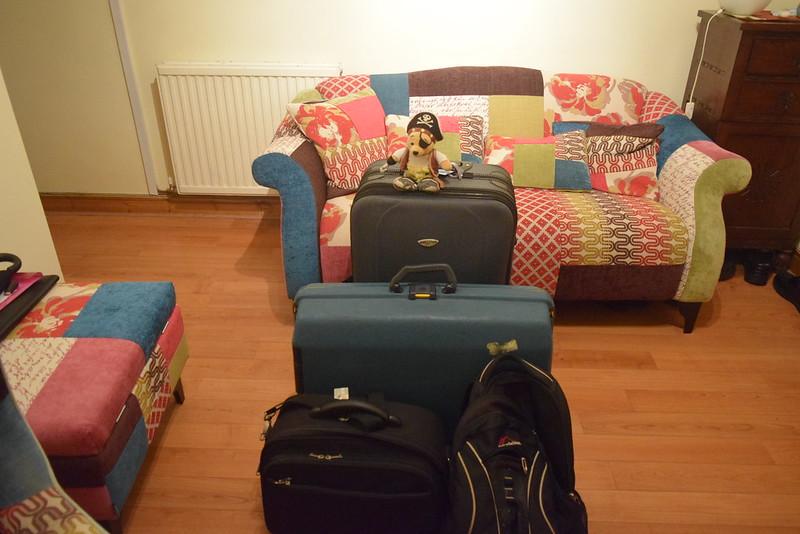
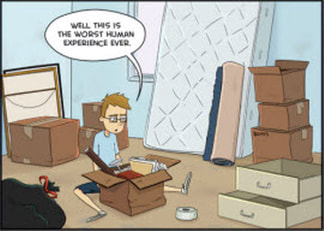
I feel like this comic accurately portrays every person's understanding of the moving process. People talk about the difficulties they face while moving across the country, across the world, or across the street, and none of them sound like anything any of us are interested in living through. However, officially graduated from college means moving out of the college house and into an adult home! To make the moving experience as pain-free as possible, we've gathered a to-do list of sorts to stay organized and stay
sane as preparations are made to start the next chapter of life. If you're also planning on a move, don't you fret! Follow along beginning to end as we create a tolerable moving experience for ourselves.
​
This four-part series will prepare you for the move, teach you effective and time-saving hacks for packing, help you organize the moving-out process, and get you ready to move into your new home. Let's start off by checking these items off our list.
  • Change over utilities you will be responsible for in your new abode as soon as possible.
  • Acquire packing supplies so you can begin to stow away the items you may not need directly before or after the move. This includes sturdy moving boxes of different sizes, packing tape, labels, permanent marker, and bubble wrap. If you're not interested in forking over a ton of money for the boxes, check out your local retailers – they might be able to give you a deal on their used shipment boxes. Remember to stop by our blog again next week so you don't struggle bus through the rest of the packing process.
  • Notify important parties like banks, credit card companies, insurance providers, and magazine and newspaper services of your impending move so you don't end up without any money, insurance, or entertainment. We offer customers a stress-free way to navigate updating your insurance policy through the online form or just call the agency, let us know you're moving, and we'll take care of the rest.
  • Set up mail forwarding with your post office. Hopefully, most of the mail will be relocated to your new place, but consider contacting a close neighbor to look out for those stragglers after you've moved.
  • Sort and purge the different rooms in your house and decide what you'd like to keep and what you're willing to get rid of. While going through this process, also consider whether any items will require special packaging or extra insurance coverage – that piano isn't gonna go as easily as your place-mats might.
  • Organize school records for any children if you're planning a move out of your current school district. Visit the schools and arrange for your children's records to be transferred to their new school district.
  • Take measurements of your new home so you know if that piece of furniture will fit through the door or in your living room.
  • Highly consider requesting time off from work so you can be fully involved on moving day. Having the option to supervise the move, whether it be movers or family-friends, is very important and keeps everyone accountable for what goes on.
  • Empty, clean, and defrost the freezer at least 24 hours in advance if you plan on taking your refrigerator with you. This will give your fridge the time to get rid of that moisture and prevent a waterfall when people try to move it. Check out these tips if you don't know what you're doing.
Good luck, and make sure to check out our other blogs we've made to help you save a ton of time and effort in packing up your home.
Source: ​https://blog.foremost.com/preparing-to-move.asp
0 Comments

Things to Consider When Buying a Snowmobile

1/24/2019

1 Comment

 
Picture

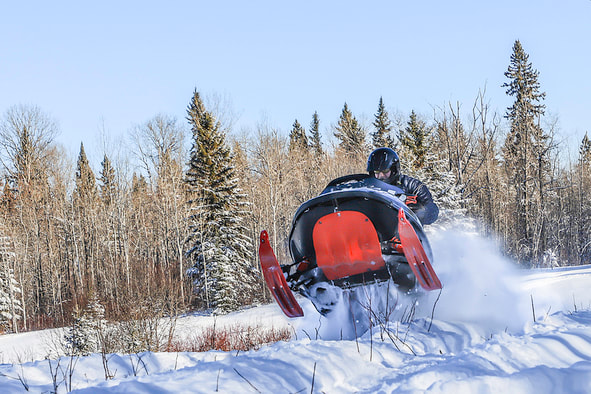
Snowmobiling is easily one of the most exhilarating winter pastimes. Whipping around in the snow and feeling the cold breeze on your face brings such a rush of adrenaline that can't be easily matched. Not to mention, they are a great way of getting around when the snow piles up! If you're considering buying one of your own snowmobiles, you're probably asking a lot of questions about what to consider when making the purchase, especially because these sleds can be quite an expensive investment.

We want to make sure you are prepared to invest your money on the best snowmobile you can find which is why we're also here to help you with snowmobile insurance — here are some tips that will get you out on the trail with the best sled around!

Be realistic about what you need
Your budget, ability, and location are all important factors when considering the purchase. How much money do you want to spend? Is newness important to you? Are you an experienced snowmobiler? These are all valid questions to ask yourself before you begin your search.

Consider buying a used snowmobile
These babies can still be some of the most reliable sleds around. Buying a used snowmobile will give you all the fun with a lower price tag, which is always appreciated!

Research different brands
Every brand out there has some great snowmobiles, but asking friends and family who own snowmobiles of their own will help you make a more educated assessment on what brand to continue with. A personal story gives you a trusted source to base your decision on.

Look under the hood
If you are buying a used snowmobile, check the hood! If the engine and clutches are dirty and covered in oil, it might not be the best idea to make the purchase. A clean sled is a healthy sled! Start the snowmobile up and let it run for 5 to 10 minutes. It should rev consistently and will give you some time to check out the different lights and other electric functions of the sled.

Ask questions
Whether you are buying new or used, asking questions is the best way to make sure you are making the most educated investment possible. Good salespeople/previous owners will know the sled and will be able to answer any question you may have.


Consider added costs
Your initial purchase will be the most expensive, but supplying fuel, maintaining insurance, keeping up with maintenance costs, and remembering registration charges go hand in hand with the original investment.


No matter what you decide, we hope you will have an exciting and safe winter sporting season.
source: https://blog.foremost.com/Things-to-Consider-When-Buying-a-Snowmobile.asp
1 Comment

Car Accident...  What Now? Tips for Effectively Filing Claims

11/9/2018

2 Comments

 
Picture
Get An Auto Insurance Quote

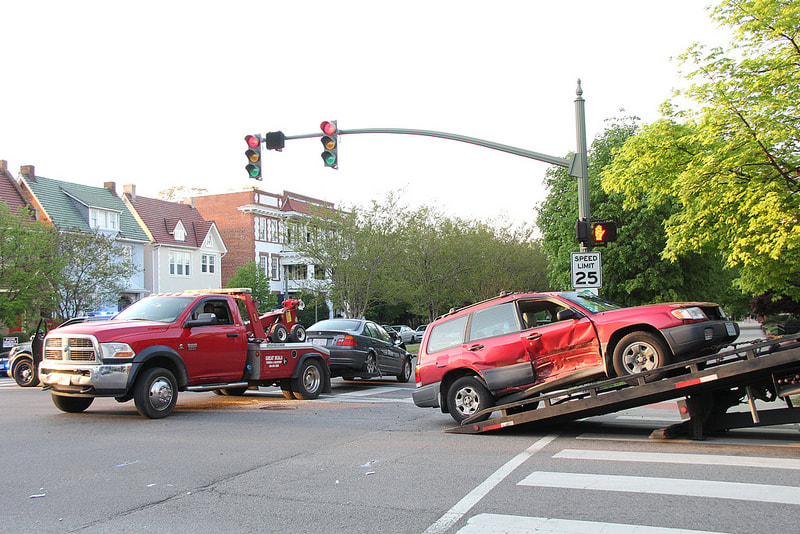
Experiencing a loss can be stressful, frustrating and disheartening, but having insurance coverage will help alleviate the financial burden a loss can cause. The first step in restoring your property and moving forward is to determine if your policy provides coverage for the loss. To do this you need to file a claim with the insurer. While the claims process isn't something many eagerly look forward to, there are definitely ways you can make it a less stressful experience. To help you successfully navigate the process, here are several tips for effectively and efficiently filing claims.

Keep an inventory of all your insured possessions.
Be proactive! If you keep a written document of your possessions, it can help make the claims process much easier if you experience a loss. Go from room to room and record each item and its value to prepare an inventory. An easy way to do this is to take photos or videos of each room and all of the contents in the rooms. Consider keeping receipts with the purchase date and original cost for your records too, in case of total loss. Your inventory list should be consistently updated, which can be done easily if you record new items shortly after purchasing them. Pro Tip: Your inventory should be easily accessible. It is a good idea to keep a couple copies of your inventory at different locations, with one location being off-premises in case of a total loss, like a fire.

Reach out to your agent first.
In the event of a potential claim, it's best to contact your agent directly instead of the broader insurance provider. Your agent will be able to explain your options and advise on whether filing a claim is in your best interest. In some cases, your agent may even file the claim for you.

Report your loss promptly.
Always file your claim as soon as you possibly can. Of course, theft losses should be reported to the police first, and in other situations of danger and urgency, safety takes priority. But once it's safe and reasonable to do so, you should contact your insurance agent. This is important because your policy might require you to make the notification within a certain amount of time. Not filing a claim within the time required in your policy may lead to a denial of the claim or may result in the claims process taking longer.

Be prepared with the right information.
When you file your claim or make follow-up calls regarding the process, be sure to have the right information so your conversation is easier and more effective. Have your inventory list and the details of your loss, and keep the following information handy for your claims representative:
  • The customer's name and address
  • The policy number
  • The date the loss happened
  • A description of what happened
  • A preferred telephone number for future contact


Provide complete, correct information.
Explain the situation accurately without downplaying or exaggerating your loss. Incorrect or incomplete information may cause complications and delays in processing the claim. Additionally, materially misrepresenting the facts of your loss may result in a loss of coverage.

Record important details from all correspondence.
While going through the claims process, be sure to write down important information from your phone conversations and in-person meetings with claims representatives and other contacts. This should include the time and date, as well as the name and title of the person you spoke with. This will help you stay organized and create records that may come in handy later.

Make appropriate emergency repairs.
If you're dealing with property damage it may be necessary to make immediate emergency repairs to prevent additional damages, such as calling a plumber to repair a broken pipe. Your policy might cover the costs of these emergency repairs, so be sure to inquire about them when filing the claim. It is also important to take photos or even videos before making the repairs, and save the receipts from all of the work that is done.

Ask questions.
Don't be afraid to ask your claims representative for more information or clarification. The process will go much more smoothly if you are both on the same page and fully understand each other. For example, if there is a disagreement about the coverage of the claim, ask for the specific language in the policy that is in question to find out if it is a matter of differing interpretations.

Overall, it's important to have patience because every insurance claim is different! Some may be completed quickly, while others may take a few weeks or even months to be resolved. You never know when problems will arise, but these tips can help you to effectively address the situations and smoothly navigate the claims process.
Get An Auto Insurance Quote
Source: https://blog.foremost.com/tips-for-effectively-filing-claims.asp
2 Comments

Mobile Home Anchors & Tie Downs

9/27/2018

0 Comments

 
Mobile Home Quote
Picture
When strong winds blow, manufactured homes need special protection. No matter where you live, you need tie-downs and anchors to keep your manufactured home stable and secure. Before you start the job, you should understand why this wind protection system is necessary, and know the basic requirements for tie-downs and anchors. You also need to become familiar with all the components that make up your anchoring system. It's a good idea to consult with an experienced professional installer or building inspector if you have any questions or doubts about the installation.
Why Mobile Home Tie-Downs?
Manufactured homes must have anchors and tie-downs to keep them in place during high winds. Compared to site-built homes, manufactured homes are relatively lightweight. They have flat sides and ends, and they are built on frames rather than foundations. Almost all manufactured homes are elevated, situated on top of some sort of pier or foundation system. Wind can get under the homes and lift them up. In addition, the wind passing over the top of your manufactured home can create an uplift force.
To resist wind forces, you need two different types of tie-downs. In older homes, a vertical or over-the-top tie-down is needed to compensate for the uplift force. A diagonal or frame tie-down is needed to compensate for both lateral and uplift forces. Singlewide manufactured homes need both types of tie-downs. Doublewide homes only need the diagonal ties.
Picture
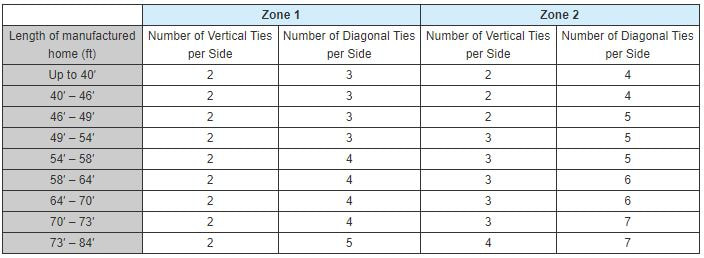
Tie Down Requirements For Manufactured Homes
• Singlewide manufactured homes require both diagonal and vertical ties.
• Doublewide manufactured homes require only diagonal ties.

Length of manufactured home (ft)Number of Vertical Ties per SideNumber of Diagonal Ties per SideNumber of Vertical Ties per SideNumber of Diagonal Ties per Side

• To determine the length, do not include the draw bar.
• Numbers based on minimum working load per anchor of 3,150 pounds, with a 50% overload of 4,725 pounds.
• Diagonal ties must deviate at least 40 degrees from a vertical direction.
• If your home has special site considerations, a registered professional engineer or architect can devise an alternate anchoring system.

Anchoring System Components
  • Types Of Tie-Downs.The type of tie-down you select usually depends on when your manufactured home was built. Older homes often have exposed over-the-top tie-downs. This is an effective system, but it does detract from the appearance of your house. The straps are placed over the siding and roof. Until recent years, most manufactured homes came equipped with concealed over-the-top tie-downs. These straps are located just under the exterior siding and metal roof. The end of the strap hangs out under the manufactured home. Newer model homes might not have any type of over-the-top tie-down. Because of increased structural strength of manufactured homes, these models are secured with anchoring straps attached to the home's steel frame rails, called frame anchors. Doublewides are also secured with frame anchors.
  • Types Of Anchors.You'll find anchors available for different types of soil conditions, including concrete slab. Auger anchors have been designed for both hard soil and soft soil. Rock anchors or drive anchors allow attachment to a rock or coral base. This type of anchor is also pinned to the ground with crossing steel stakes. If you will be pouring a concrete base, you can install a concrete anchor first. 

    You need to know your soil type to select the right anchor. Soil classifications usually include: rock/hard pan, heavy, sandy gravel, heavy sand, silty gravel, clayey gravel, clay, silty clay, clayey silt, uncommitted fill or peat/organic clay. 

    Whatever type of anchors you select, carefully follow the installation instructions. Auger anchors (screw-in anchors) can be installed manually by inserting a metal bar through the top of the anchor for added leverage or with a machine designed for this purpose. It's important to screw this type of anchor in. Do not dig a hole to install.
  • Hook-Up And Tension Device:The tie-down must be connected to the anchor with a system that allows for adjusting the tension. It must also be weather resistant and strong enough to support as much weight as the anchor and tie-down. If the tie-down is fastened to a ground anchor with a drop-forged turnbuckle, the turnbuckle should be ½ inch or larger galvanized steel. The turnbuckle should have forged or welded eyes, not hook ends.
  • The Roof Protector.If you have exposed over-the-top tie-downs, you must have some sort of roof protectors placed under the strap or cable at the edge of the roof. Roof protectors are also called roof brackets, buffers or thimbles. These prevent the tie-down strap or cable from damaging the roof and will prevent the edge of the roof from cutting through the tie-down. Wood blocks will work, and are better than nothing, but commercial protectors will do a better job of distributing the pressure of the cable. Commercial protectors will last longer, too.
  • Specifications.Make sure all your anchoring equipment (anchors, turnbuckles, straps, hookups) is capable of resisting an allowable working load of at least 3,150 pounds. The equipment must also be capable of withstanding a 50 percent overload, 4,725 pounds. This also applies to the attachment point on the manufactured home. Only use anchoring equipment that is weather and corrosion resistant. YOU MUST ALIGN EXPOSED OVER-THE-TOP TIE-DOWNS WITH A ROOF RAFTER TO PREVENT DAMAGING THE ROOF. 

    Tie-downs can be either cable or strap. If cable is used, it should be galvanized steel or stainless steel. Minimum diameter size is 3/8 inches for 7 x 7, or ¼ inch for “aircraft” cable, 7 x 19. If flat steel strapping is used, it must be a minimum of 1-¼ inches wide x .035 inches thick.
Tie-Down And Anchor Installation
Installing a tie-down and anchoring system is not too complicated for most do-it-yourselfers. It's wise, however, to seek experienced help to make sure you are using the proper anchor for your soil conditions, enough anchors for your wind conditions, the correct tension on your tie-down, and proper angle for your frame tie-downs. At the very least you should have a building inspector or a trained installer check over your finished work.
  • Step 1: Level HouseMake sure your home is level before anchoring it to the ground.
  • Step 2: Check ChartsCheck the wind zone chart for your location and determine the required number of anchors recommended for your zone. You should regard this number as the minimum needed for your home.
  • Step 3: Determine Soil TypeMerely looking at the ground under your home isn't enough. Some types of anchors need to be installed five feet deep. Talk to a building inspector to determine your soil type. If you will be attaching your tie-downs to a concrete foundation, make sure it is at least 4 inches thick.
  • Step 4: Select AnchorsTalk to a supplier or installer for advice. Your soil type will determine the type of anchor.
  • Step 5: Select Hook-UpDepending on your tie-down system, over-the-top or frame, select the appropriate hook-up and tensioning device. Make sure the entire system is certified to a 4,725 pound capacity.
  • Step 6: Locate Wires/CablesMark the location of your electric, cable, gas, water, sewer and phone lines on the ground before you install anchors. Make sure you have located everything prior to digging.
  • Step 7: Position Over-The-Top Tie-DownsIf you are installing an exposed over-the-top tie-down, the strap or cable should be positioned over a roof rafter. Protect the edges of your roof with a roof protector of some type. Make sure the strap or cable does not cover a window or door.
  • Step 8: Install AnchorYou'll find specific installation instructions with your anchor. Follow them carefully. For a vertical tie-down, the anchor is installed vertically. 

    For a frame/diagonal tie-down, the anchor can be installed to the same angle as the tie-down. This angle should be at least 40 degrees. The anchor can be installed vertically if you also install a stabilization device to keep the anchor from moving sideways. A metal stabilization device can be attached to the top of the anchor and buried in the ground. Another option is to pour a concrete collar around the top of the anchor. The collar should be at least 10 inches in diameter and 18 inches deep.
  • Step 9: Adjust TensionAlternating from side to side, adjust your tie-downs to the appropriate tension. Don't do one side of your house and then the other.
Remember: Anchoring and tie-down systems vary greatly. It's important for you to contact the local building inspector for regulations regarding anchoring and blocking installation in your community. Regulations vary considerably from one community to the next. In some states, tie-downs aren't required. In other states, tie-downs are stringently regulated and inspected.
To make sure you're tied down safely, consult your local building inspector. 

Looking for Mobile Home insurance?
In addition to following the proper steps to tie-down and anchor your mobile home, make sure you have a good mobile home insurance policy in case the unexpected happens.


Source: Foremost Insurance - Mobile Home Repair - How to Install Tie Downs And Anchors
0 Comments

How to Choose the Best Dental Insurance

10/2/2017

2 Comments

 
Picture

Do you only consider price when buying dental insurance? Do you only consider price when buying any other insurance product? You should never base your insurance purchases only on price. Instead, when purchasing Dental Insurance, as with any other purchase, you should assess your needs and then assess the product. This will help you to identify if the product meets your needs and most importantly, if it is within your household budget. No surprises. No coupons. Not just a discount, but real insurance for real assistance with the unexpected costs of dental care.
EVALUATE YOUR NEEDS
When evaluating your dental needs, you’ll first want to determine who needs coverage. Will it be just yourself? Your spouse too? Regular dental exams and cleanings are preventive services that everyone needs at any age. Do you have kids? If you choose to add them, your dental coverage would cover them from birth until their 26th birthday. Simply put, your goal should be to determine anticipated dental services.

For example, heading Toward Retirement? You are more likely to require complex dental services, such as dentures and bridges, as you approach your golden years. If you’re like many adults over 65, dental insurance isn’t a part of your health coverage, even for those with Medicare. Whether you have your natural teeth, implants or dentures, dental insurance can help you take control of your oral health. If you are a healthy twenty-something, you may be less likely to need complex dental services. No matter your age, we have a dental plan for you.


IDENTIFY THE PLAN THAT FITS
Once you have determined the dental services that you are most likely to need, you’ll be better suited to choose a plan most appropriately designed for the coverage you need. Covered dental services are sorted in various plans by levels, typically three or four. It is important to keep in mind that each one is different and must be examined closely to thoroughly understand what is covered. You will see things like deductibles and coinsurance, the coverage level or percentage with a list of covered services per category or classification, the plan’s annual maximum benefits amount, and required co-pays.

New college graduate? Expecting your first child? Retired and on a fixed income? Talk to us. We’ll help you find the best coverage for your situation. No group? No problem. If you are self-employed or if your employer doesn’t offer group dental coverage, an individual dental plan can help you keep your mouth healthy.


ASSESS THE TYPES OF PLANS
Would you prefer to submit your claims yourself and be reimbursed? Or would you prefer to pay the dentist and have them submit your claims? How you want your claims paid can also help in choosing a plan type.  For example, PPO claims will be paid to the dentist, but some indemnity plans won’t. Something else to consider is how the plan reimburses not only in-network claims, which eliminate balance billing and significantly reduce your out-of-pocket cost, but also out-of-network claims - things always happen so you always want to prepared.

Here is where you’ll want to pay close attention to network access and which type of plan is best for you. Some plans even offer convenient Vision coverage as a ryder to the dental coverage. Other health care coverage such as critical illness, disability insurance, as well as others, can often be added as a bundle for discounted rates.


ANALYZE PROVIDER NETWORK ACCESS
Participating network providers charge a discounted rate for covered services, thus helping to reduce your out-of-pocket expenses for dental services. So start by finding out if your preferred dental provider participates in the plan’s dental network. If you don’t have a dentist, start by taking a look at the plan’s provider network directory in your area. If you go this route, a good idea would be to compare the provider directory to other plans and carriers to find the network access you prefer.

Also, some dental insurance plans don’t pay any benefits to out-of-network dentists at all, or pay less. But if your preferred dentist isn’t part of the network, that’ okay. We’ve got a plan for that, too. Thoroughly check your plan and ask questions before you buy. Finally, if you stay in-network, you often won’t have to deal with submitting claims yourself. The dental office and your insurance provider will handle that. If you are out-of-network, you may have to submit your own claims and wait to be reimbursed.


CALCULATE THE NUMBERS
Now it’s time to compare plan pricing. Is the monthly premium within your budget? Is there a similar plan for a lower cost? Also, consider what out-of-pocket costs you will incur after insurance benefits are paid. These are all important aspects to analyze before making your final decision. If you have any questions, you should call a carrier’s customer service department or licensed health insurance broker for answers. Or just ask us. Submit your dental insurance question here. Our dental plans start as low as $16/month! ​Click here or the icon below for an instant dental quote in under 30 seconds!

Picture
Fast Quote and Application
​
No medical underwriting

Harris Reed & Seiferth Insurance Group 
​Office: 561-768-8176
www.harrisreedandseiferthinsurancegroup.com
2 Comments
<<Previous
Forward>>

    Categories

    All
    ATV
    Boat Dealer
    Boats
    Business
    Condo
    Dental
    FAQs
    Financial
    Flood
    Golf Cart
    Health
    Home
    Insurance
    Insurer Liquidation
    Life
    Local
    Mobile Home
    Motorcycles
    RV's
    Safety
    Snowmobile
    Summer
    Trailer

    Archives

    October 2024
    May 2024
    March 2024
    October 2023
    July 2023
    May 2023
    October 2022
    September 2022
    July 2022
    June 2022
    March 2022
    February 2022
    December 2021
    October 2021
    May 2021
    March 2021
    February 2021
    January 2021
    December 2020
    November 2020
    October 2020
    September 2020
    August 2020
    July 2020
    May 2020
    April 2020
    March 2020
    February 2020
    December 2019
    June 2019
    May 2019
    April 2019
    March 2019
    February 2019
    January 2019
    December 2018
    November 2018
    September 2018
    May 2018
    April 2018
    February 2018
    November 2017
    October 2017
    September 2017
    August 2017
    April 2017
    March 2017

    RSS Feed

Social Media

Contact Us

Contact

Navigation

Homepage
Insurance Quotes
Policy Service
Insurance Products
Contact Us
6650 W. Indiantown Rd.
Jupiter, FL 33458


(561) 768-8176

Website by InsuranceSplash
Privacy Policy | Terms of Use
© 2025 by HARRIS, REED & SEIFERTH INSURANCE GROUP, INC. All rights reserved.
Photos from Ian Sane, allesopdemotor.nl de meest informatieve motor site, Carl Johan, shixart1985 (CC BY 2.0), Peter O'Connor aka anemoneprojectors, Jim Larrison, martinrstone, Gamma Man, onnola, andreboeni, anathea, Haydn Blackey, frankieleon, spartangreen293, shixart1985, Peter_Mackey, electricteeth, MarkMoz1980, Gamma Man, NetReacher Image Studios, woodleywonderworks, andreboeni, Ben Baligad, Prayitno / Thank you for (12 millions +) view, michaeljohnbutton